2026 ethanol industry overview

This webpage offers visual, data-driven snapshots of the U.S. ethanol industry. It distills key statistics and trends from the Renewable Fuels Association’s 2026 Ethanol Industry Outlook and Pocket Guide, available in print and digital formats. You can review and download the entire 2026 Ethanol Industry Outlook here, and go here for the companion Pocket Guide.  An archive of Outlooks going back to 2001 can be found here.

RFA is the leading trade association for the U.S. ethanol industry. Discover our members, initiatives, and resources at EthanolRFA.org.

An extraordinary biofuel

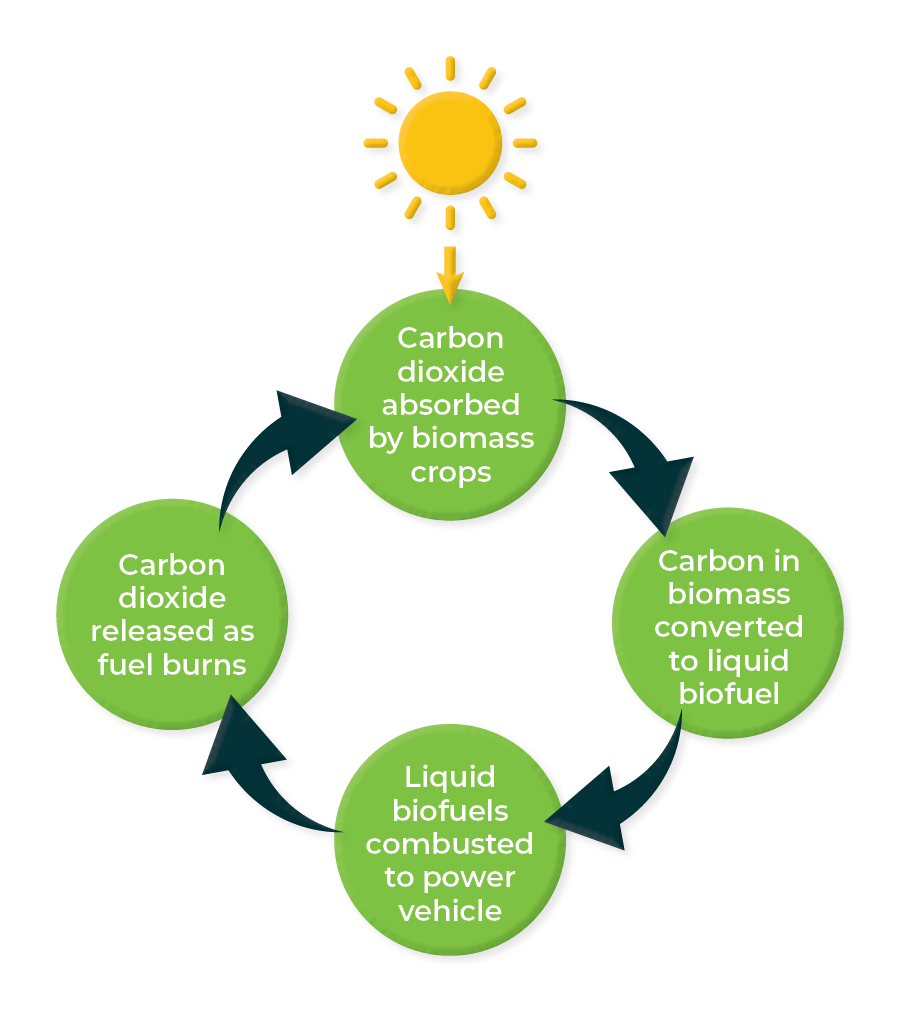
Ethanol, or ethyl alcohol (C₂H₅OH), is a renewable fuel produced from plants—organic materials containing starches, sugars, or cellulosic matter. In the U.S., nearly all ethanol is processed by dry mills using field corn not intended for human consumption via milling, cooking, enzymatic breakdown, fermentation, distillation, and dehydration. Ethanol used as a fuel source checks several notable boxes:


A U.S. powerhouse

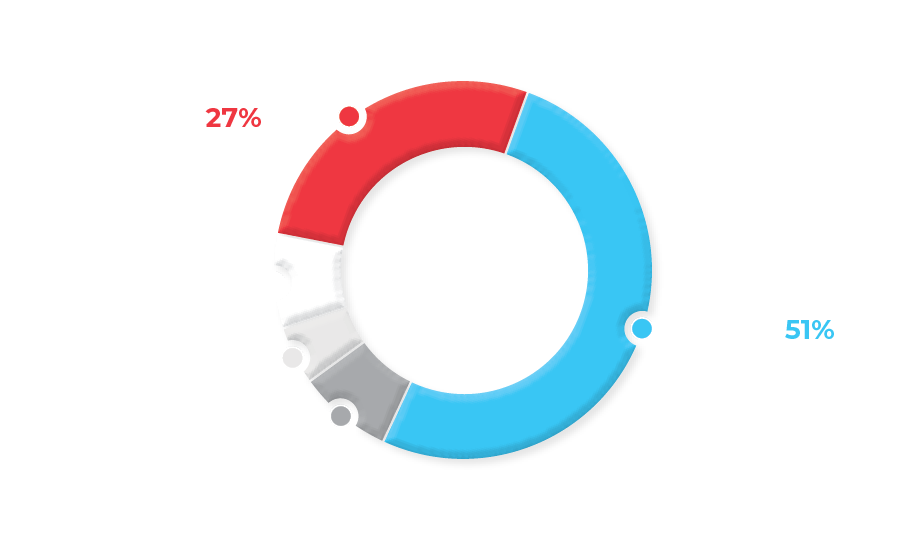
The United States is the world’s dominant ethanol producer, accounting for over half of output. Global fuel ethanol production hit a record 31.9 billion gallons in 2025.

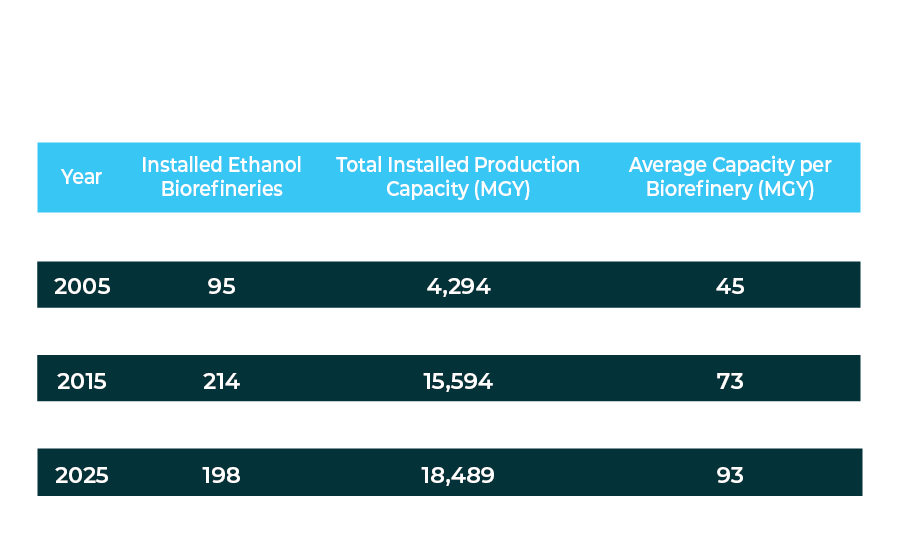
Nearly 200 biorefineries across 24 states have a cumulative total capacity of 18.5 billion gallons—93 million gallons per plant on average per year.

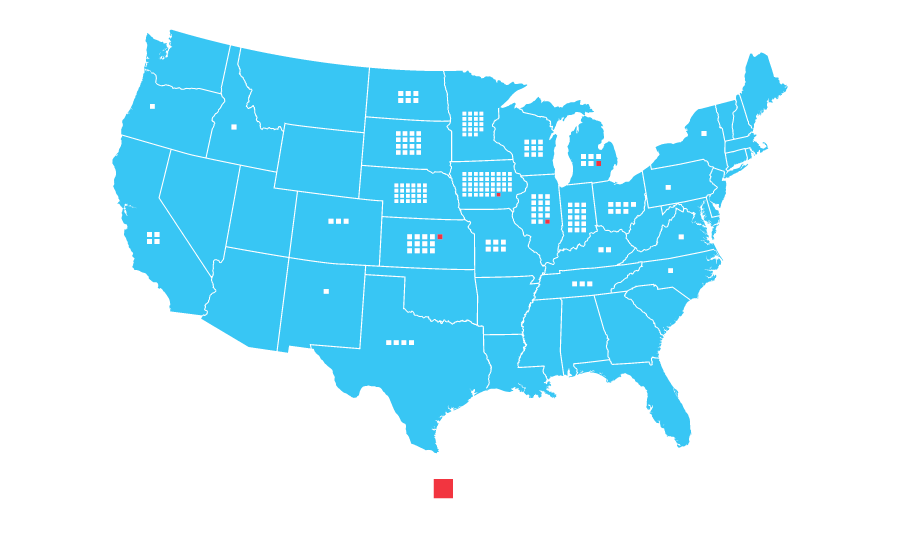
U.S. FUEL ETHANOL BIOREFINERIES BY STATE

Half of U.S. production capacity is concentrated in Iowa, Nebraska, and Illinois, the largest corn states.

FUEL AND FOOD

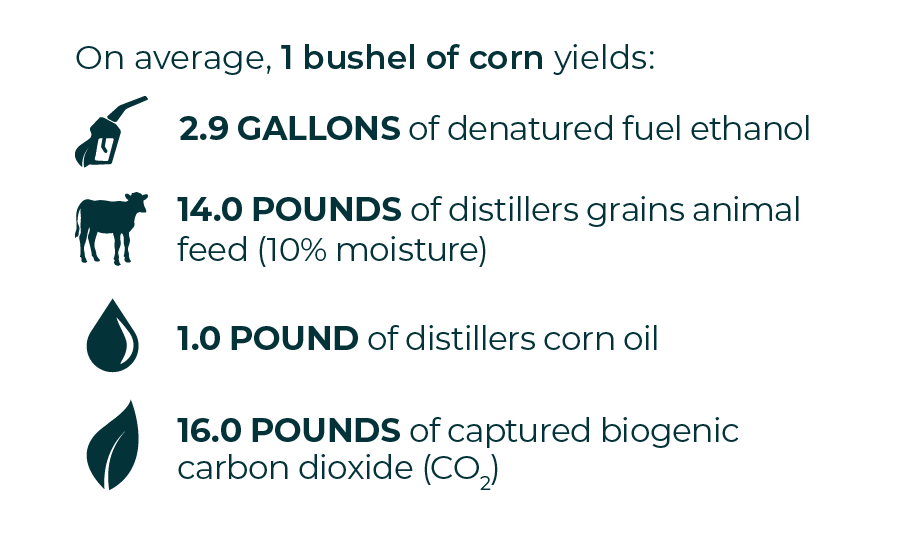
U.S. ethanol biorefineries are a global source of high-protein animal feed. In 2025, the industry produced 35 million metric tons of distillers grains and related feed products.

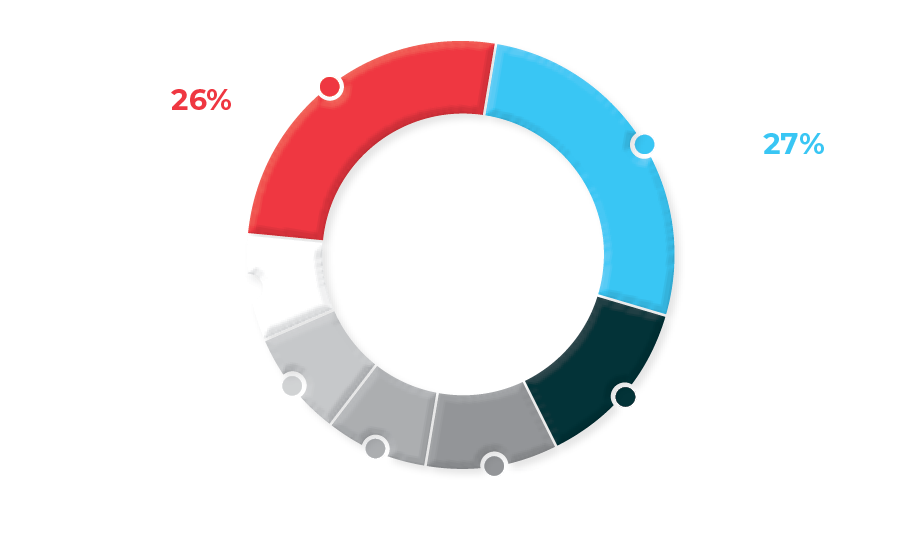
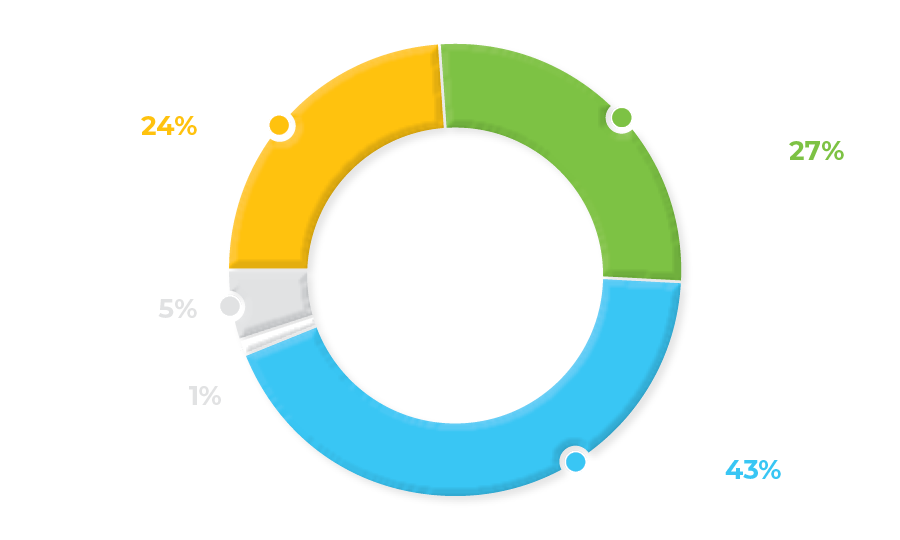
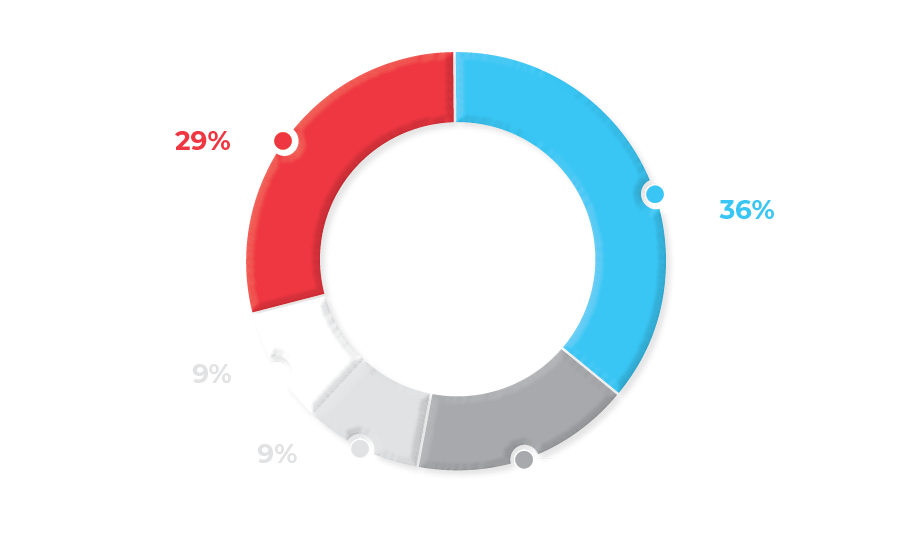
Distillers grains demand in 2025 was dominated by ruminants (70%), followed by pigs, poultry, and other animals.

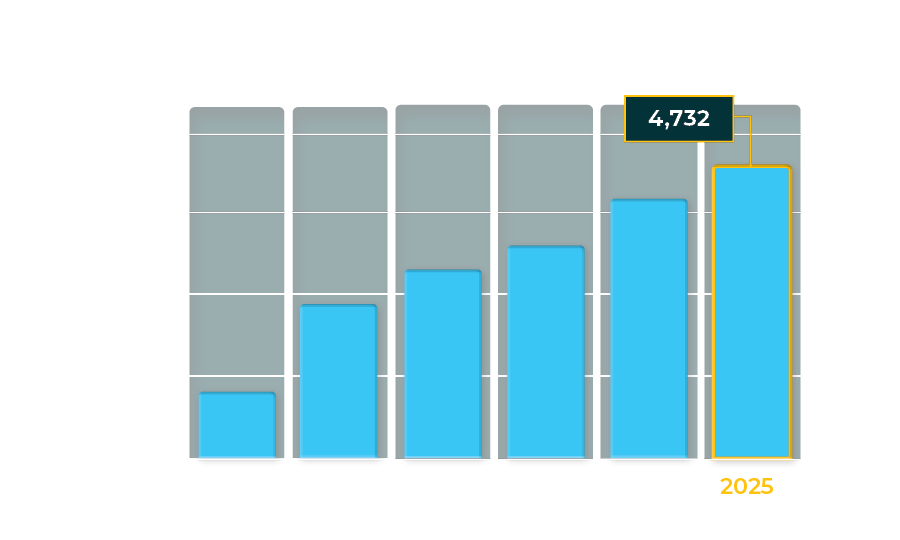
Biorefineries generated 4.7 billion pounds of distillers corn oil, supporting biobased diesel, SAF, and feed markets. 

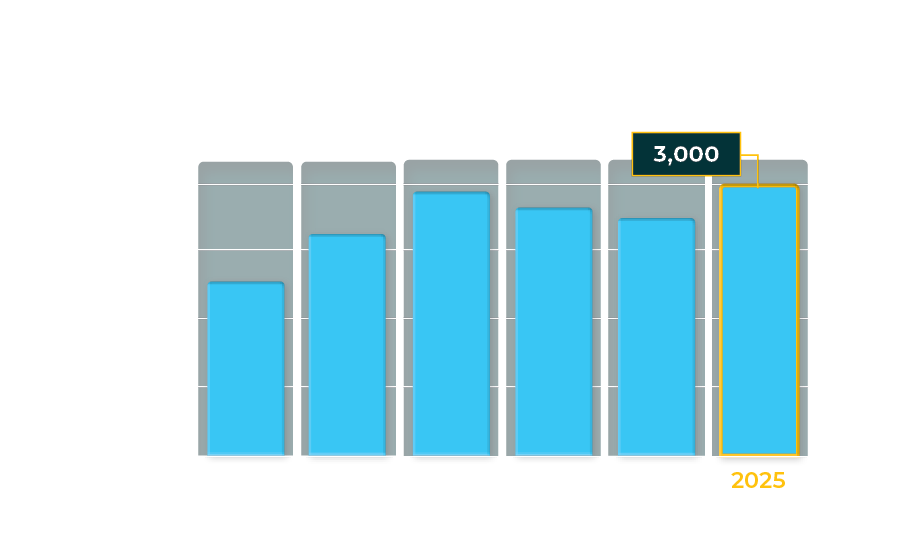
These facilities also captured a record 3.0 million tons of high-purity CO₂ for food, beverage, and industrial uses.

FUELING THE ECONOMY

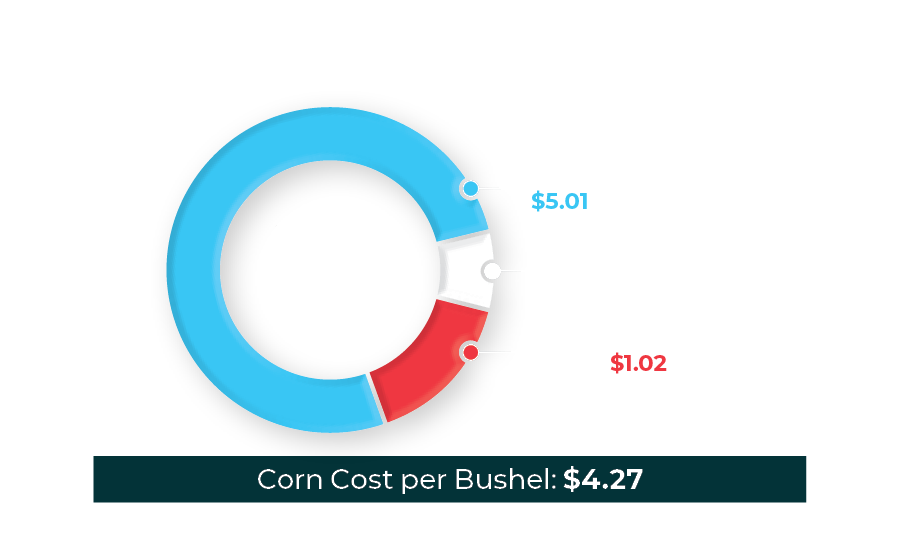
Ethanol is the largest value-added market for U.S. corn. In 2025, biorefineries processed a record 5.7 billion bushels, transforming $24 billion in grain into $36 billion of fuel and coproducts—a 50% boost in value. A typical dry-mill plant generated $2.25 per bushel in additional value―over 50% above raw corn prices.

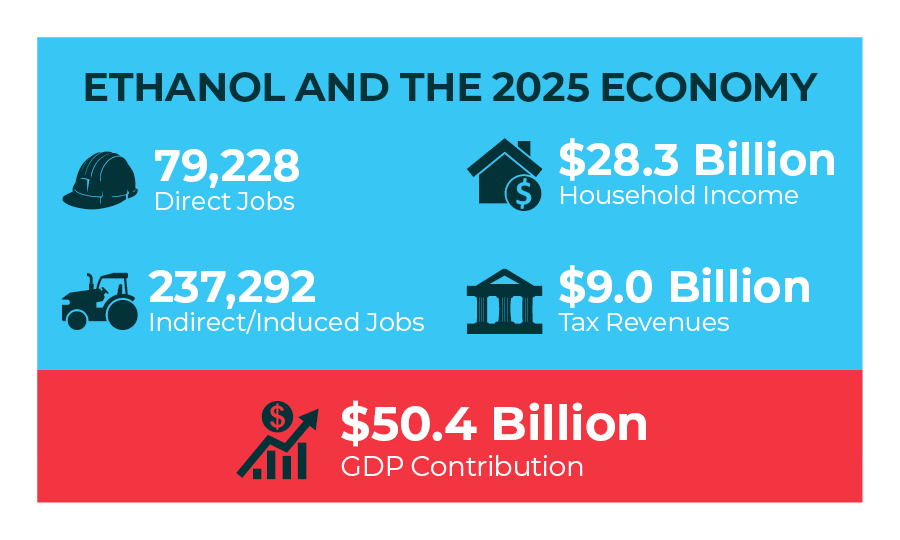
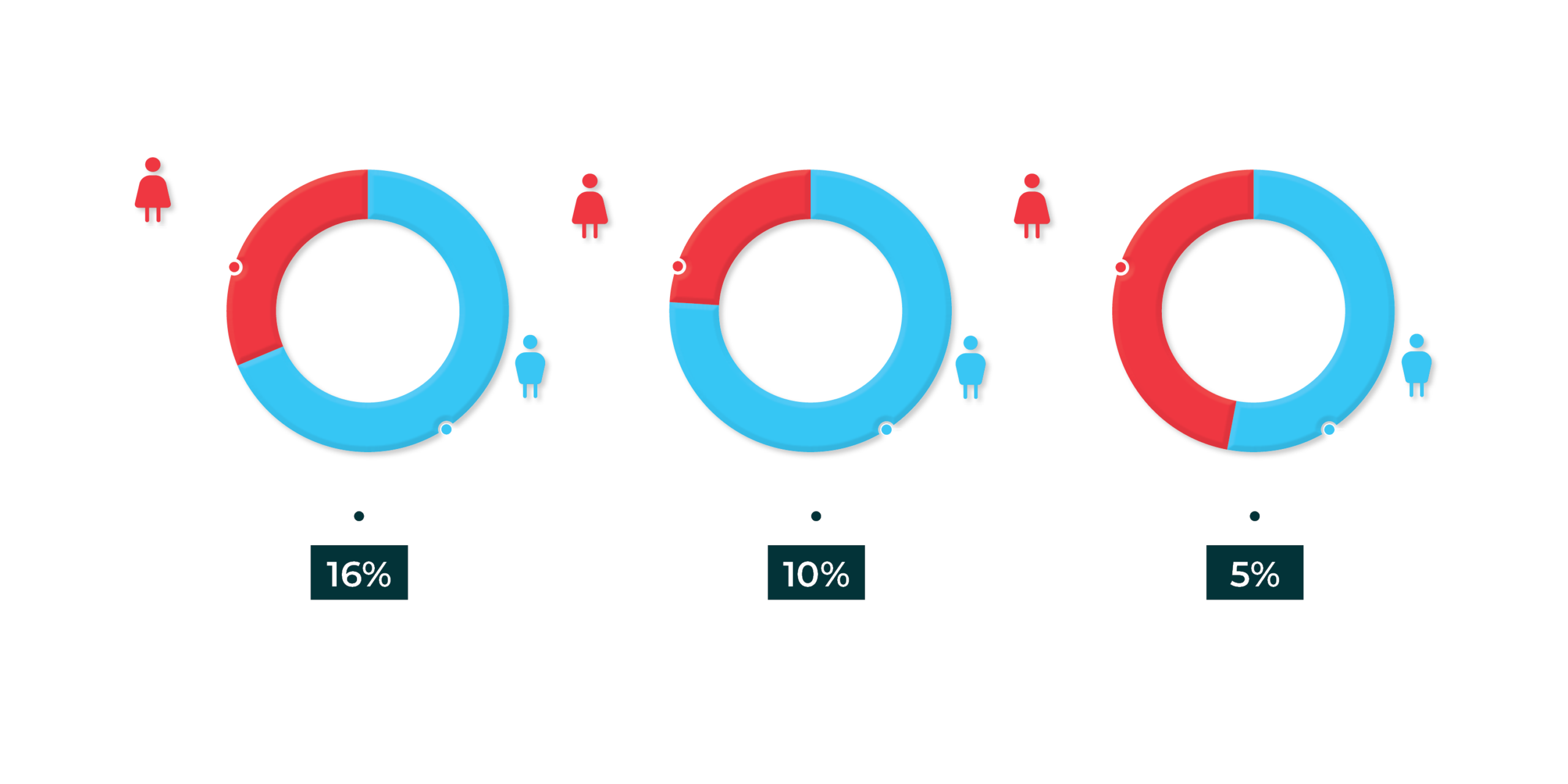
The ethanol industry supports high-quality rural jobs with competitive wages.

Higher Ethanol Blends

While E10 is ubiquitous in the market, higher ethanol blends are widely approved, increasingly available, and cost-competitive. EPA approves E15 in 100% of cars and light trucks built in 2001 or later. Automakers endorse E15 in 95% of newer models. About 21 million flex fuel vehicles on the road today can use blends with up to 85% ethanol.

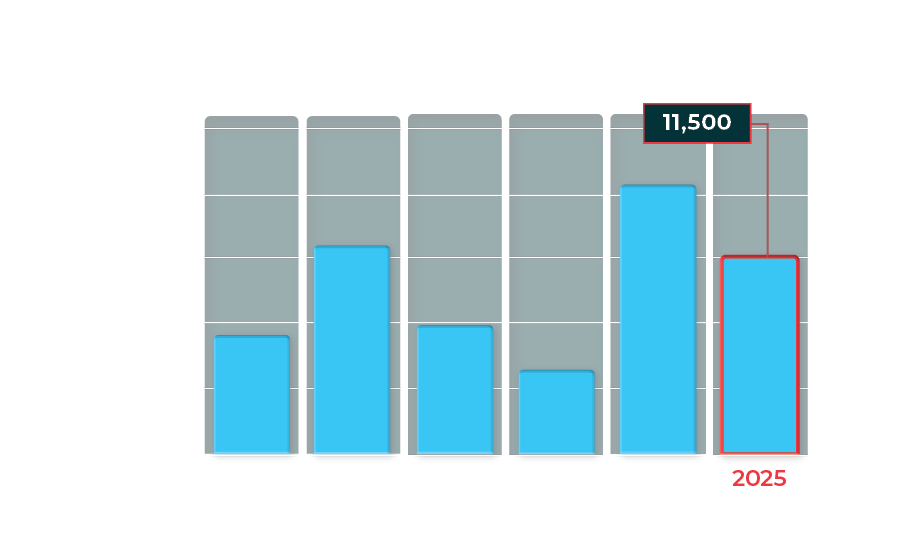
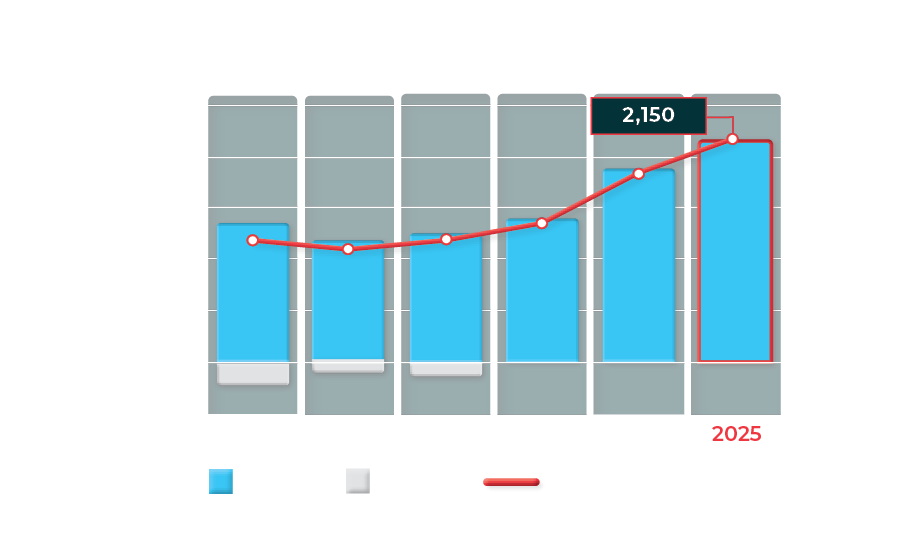
Higher ethanol blends infrastructure expansion is escalating. Consumers have 23% greater access to E85 and twice as many E15 stations than what they did five years ago.

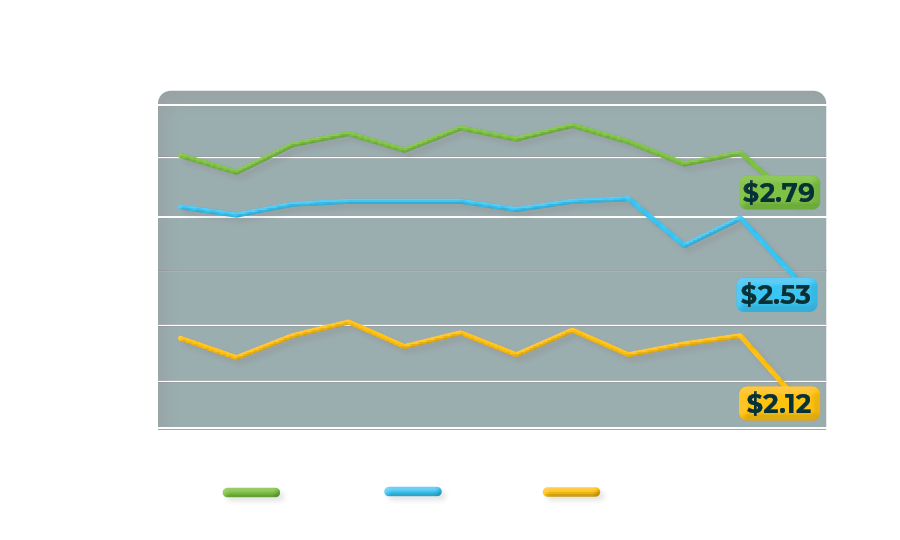
Higher blends are economically favorable. In 2025, E15 was priced 7% less than E10, while E85 averaged 22% less. 

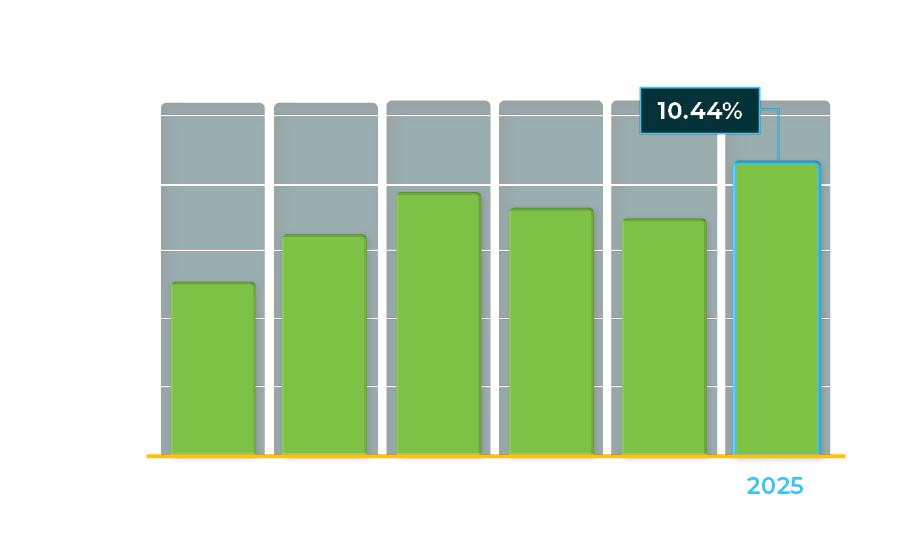
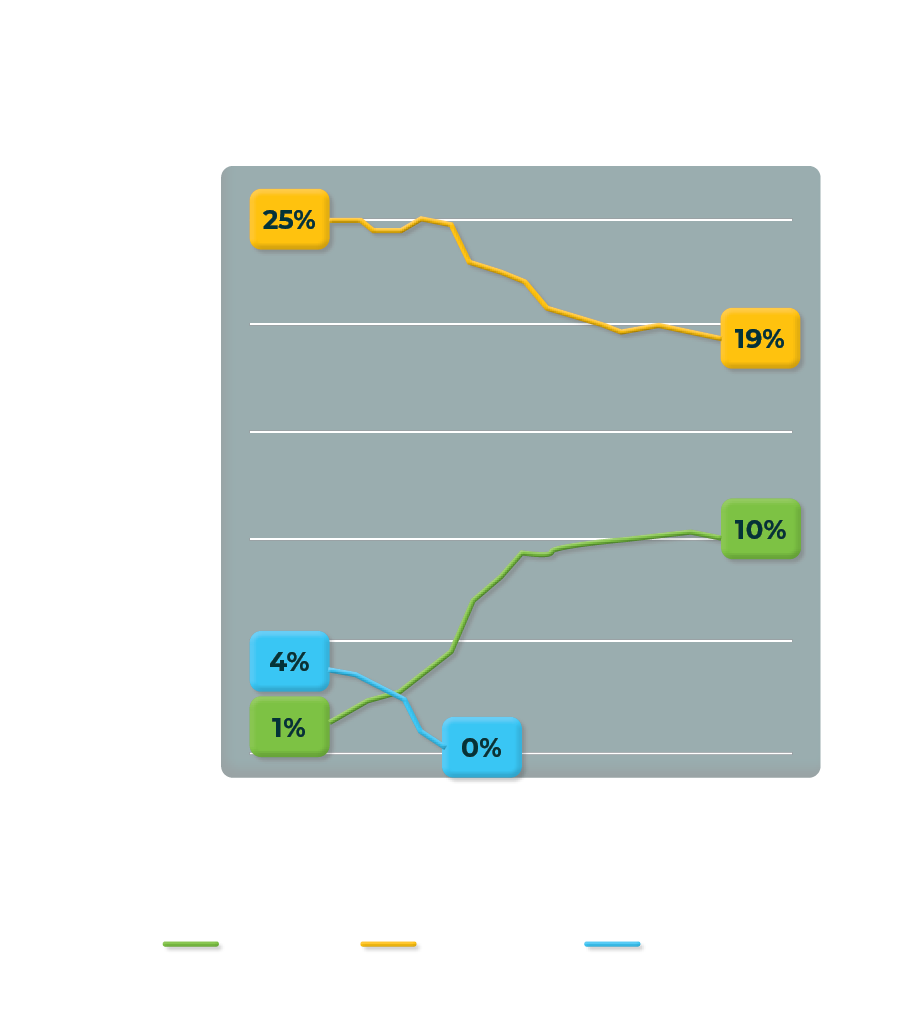
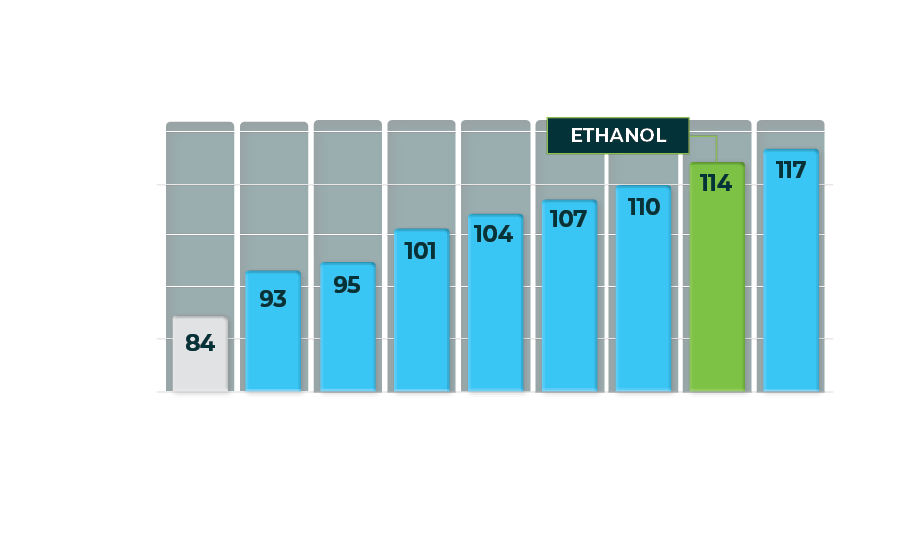
Expanding use of higher blends has put to rest the myth of the “10% Blend Wall.” The national average blend rate reached 10.44% in 2025, with October exceeding 11% for the first time.

A global market

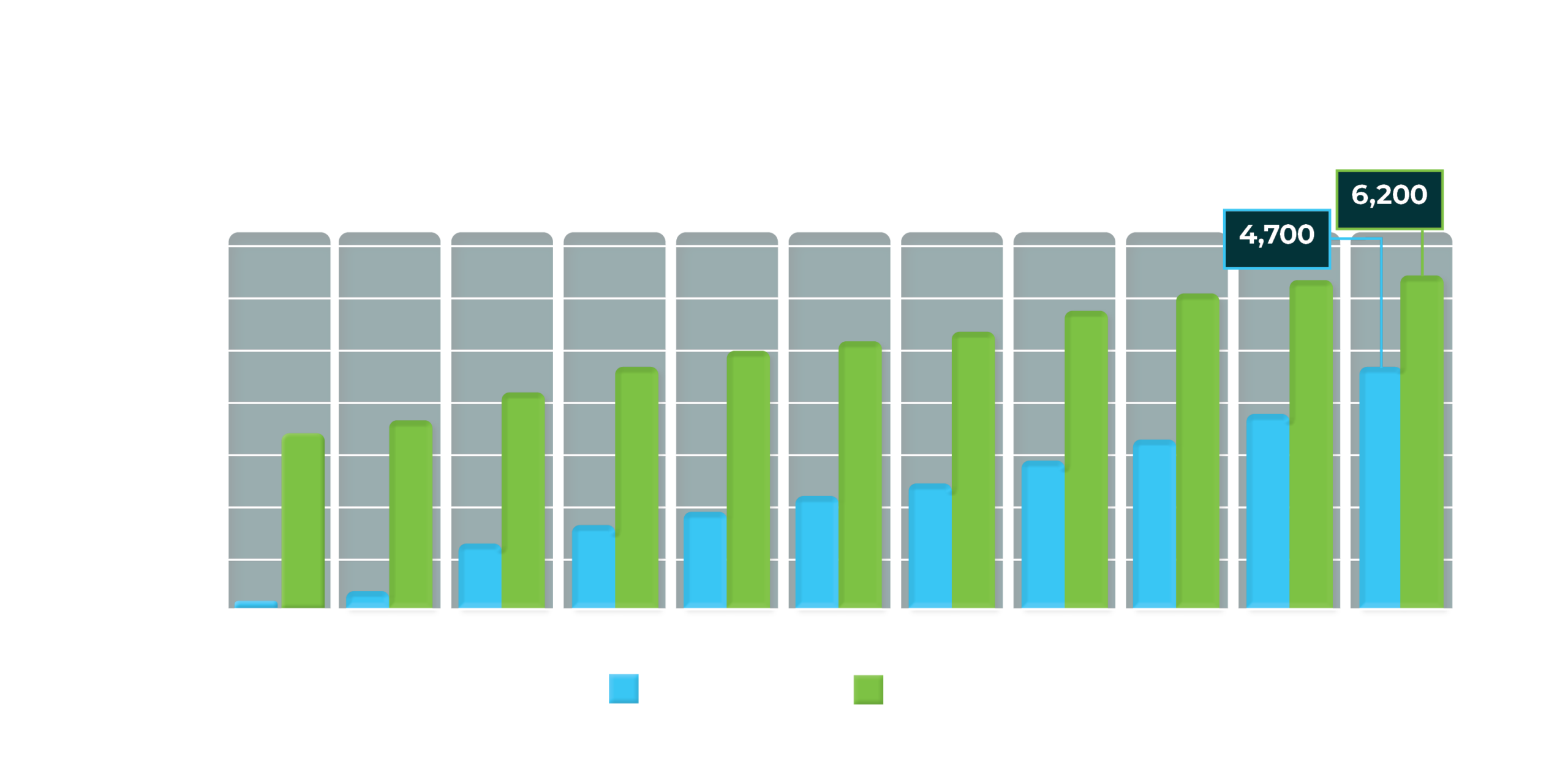
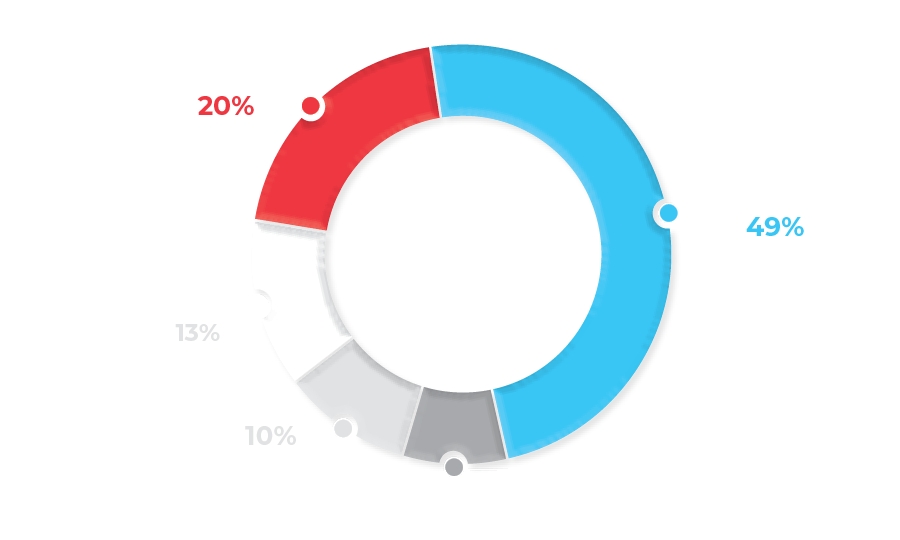
Ethanol and coproducts serve a diverse global marketplace. Record 2025 exports accounted for 13% of U.S. ethanol production and $4.7 billion in sales to nearly 90 countries.

2025 TOP U.S. EXPORT MARKETS

Meanwhile, 36% of distillers grains production was exported to 50+ countries.

Proven clean air

Ethanol delivers immediate climate and air-quality benefits. In 2025, ethanol reduced transportation GHG emissions by 54.3 million metric tons—equivalent to removing 12 million cars from the road for one year.

Higher ethanol blends also significantly reduce harmful tailpipe pollutants. Replacing E10 with E15 cuts pollutants linked to respiratory and cardiovascular disease:

Ethanol by air and sea

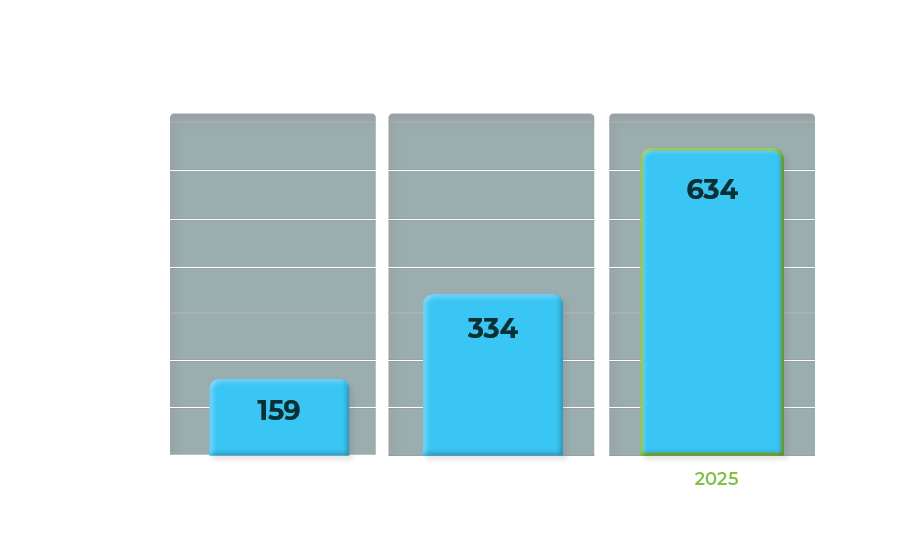
Sustainable aviation fuel (SAF) can reduce aviation fuel greenhouse gas emissions by 50-80% or more. In 2025, global SAF production nearly doubled from 334 million gallons to just over 634 million gallons, according to the International Air Transport Association.

Today, ethanol also is gaining momentum as a practical, cost-effective marine fuel. Manufacturers of marine engines like Everllence, WinGD and Wärtsilä are investing in dual-fuel ethanol-powered engines and conducting sea trials. 

The power of octane

Ethanol is the lowest-cost, safest source of octane, with refinery-derived octane costing 4.5 times more.

Energy independence

A December 2025 survey by Morning Consult found: 79% believe it is important for America to be energy independent and 78% believe renewable fuels like ethanol are important to energy independence.

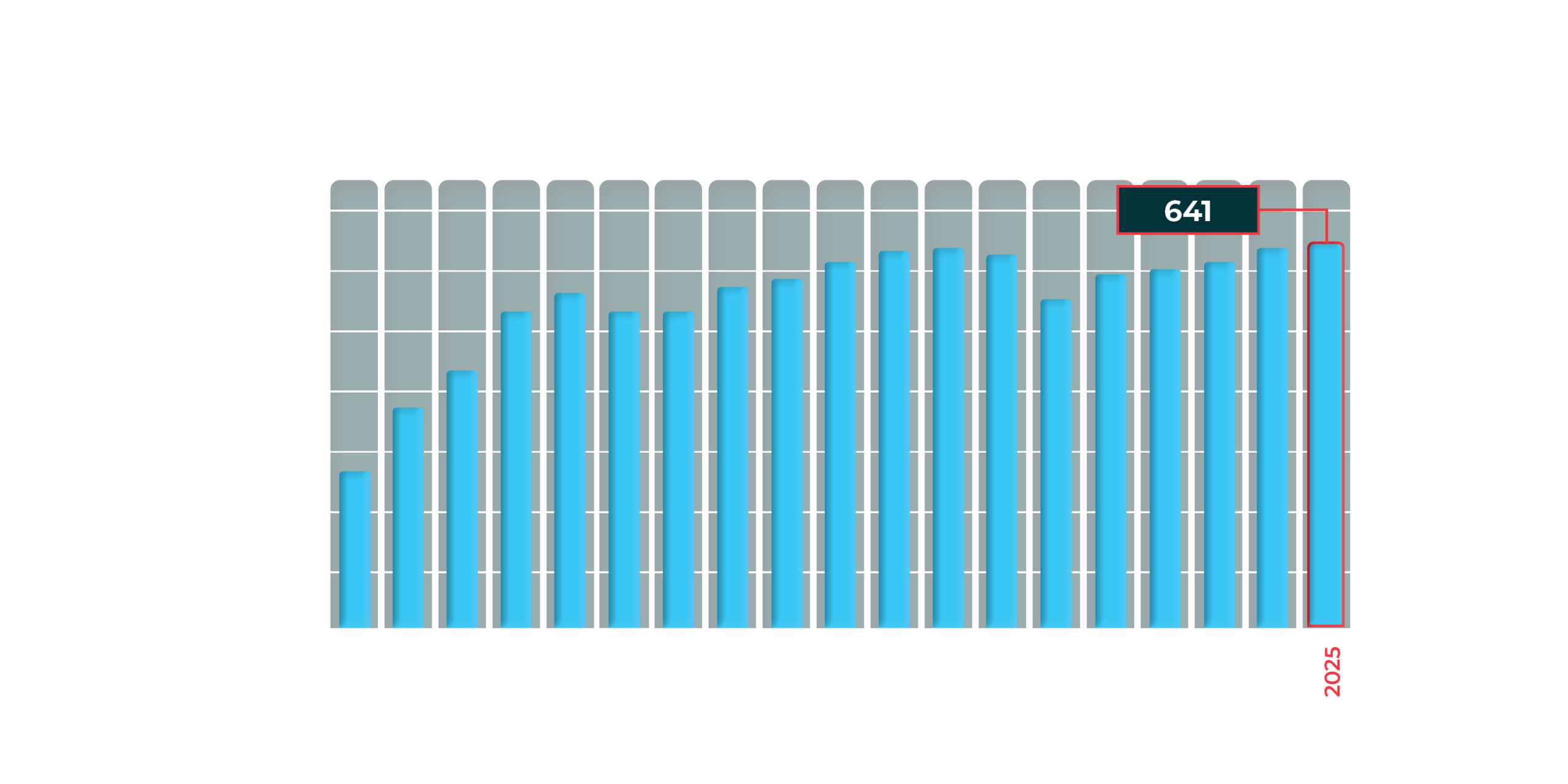
The U.S. currently imports one-third of its crude oil. In 2025, Americans sent $23 billion to OPEC—$171 per household. Fortunately, ethanol displaced over 641 million barrels of foreign oil in 2025.